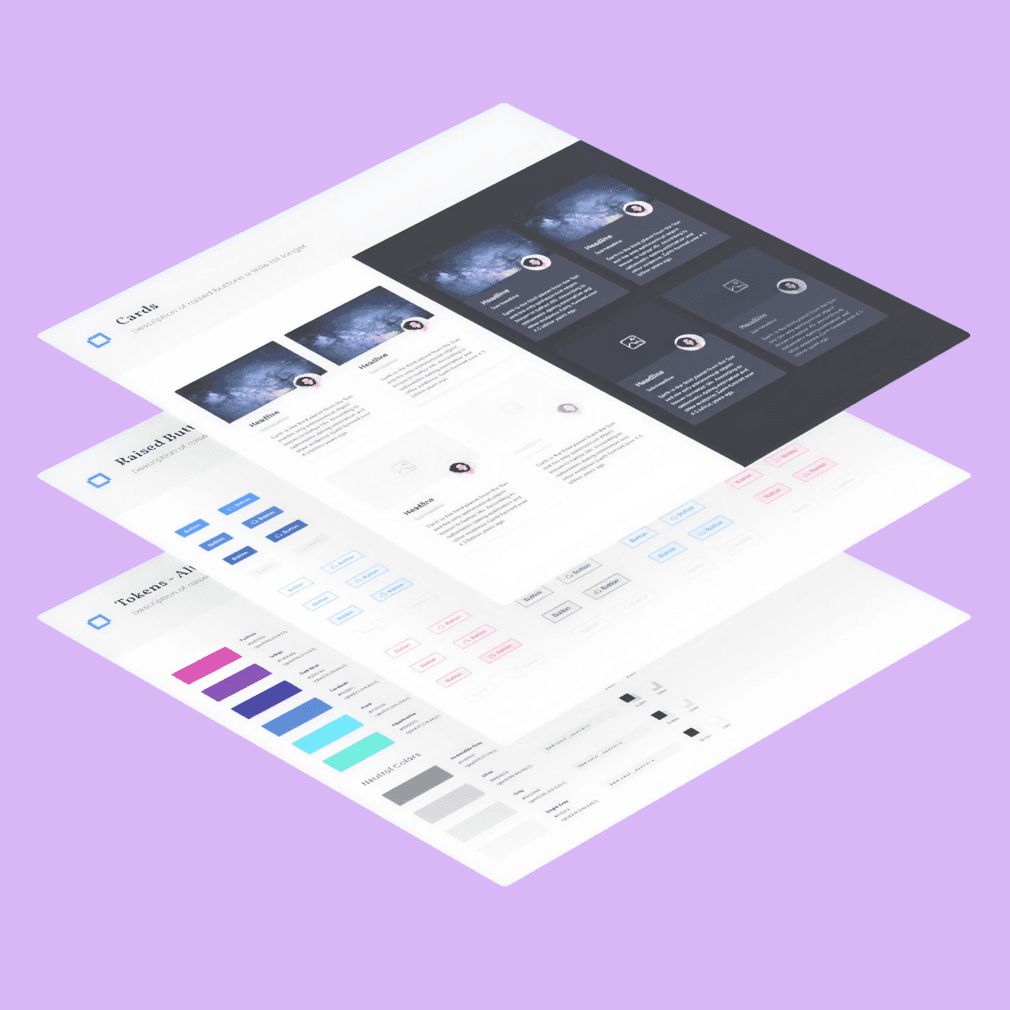
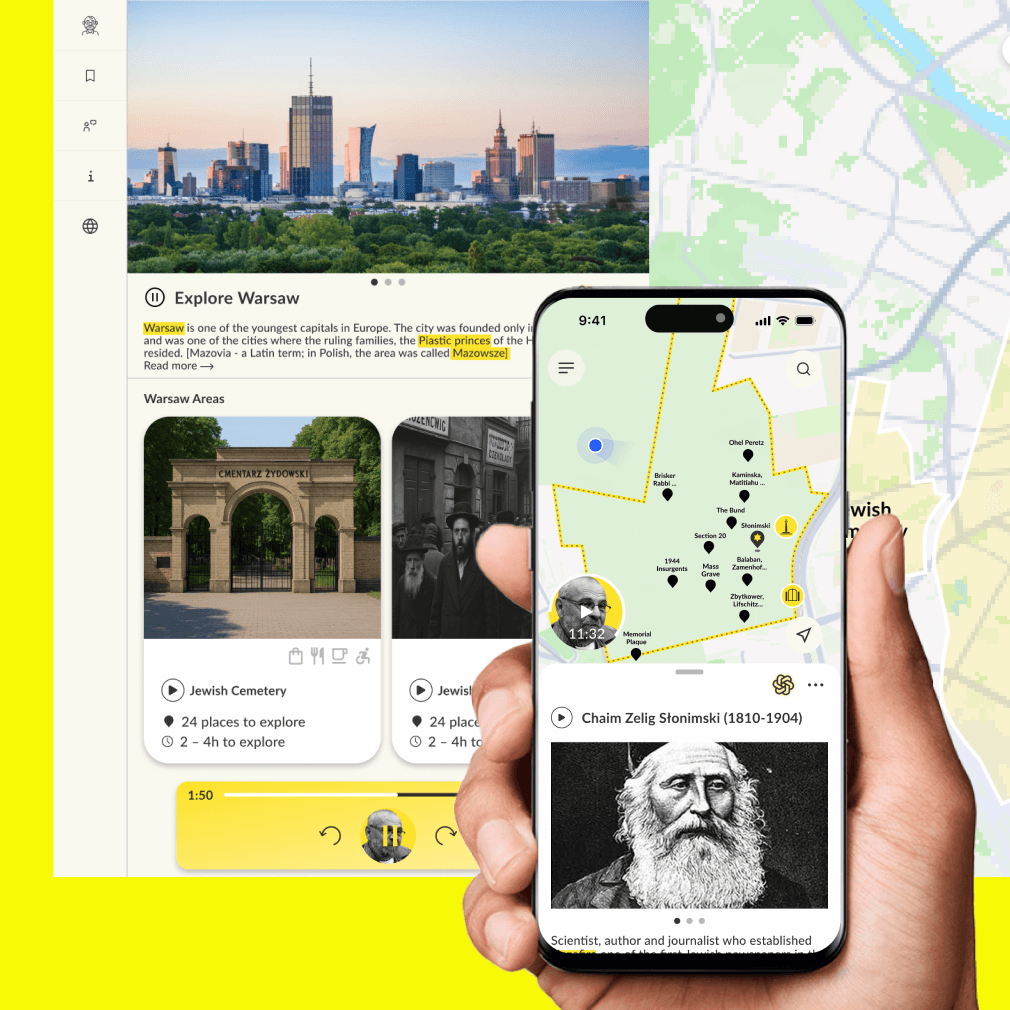
One stop shop platform
for product language ×
design community
Company
Micro Focus (Ex-HP)
Role
Head of Product Design
Team
8 designers
Platform
B2B SaaS enterprise software and information technology
Problem space
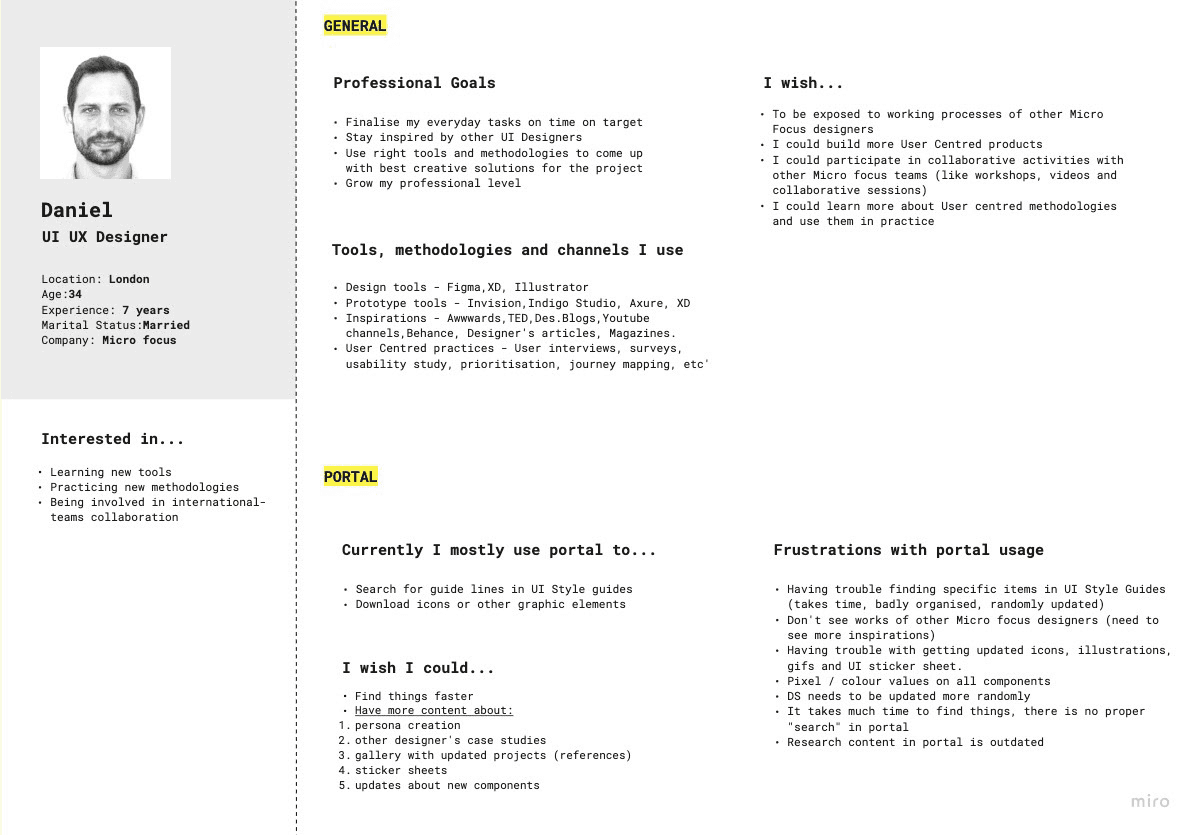
EverythingUX was originally a static website built to unify design across dozens of products. By the time I stepped in as head of design, it had become outdated and disconnected from how the teams actually worked. It served many design teams and 140 frontend developers, but the content was hard to find, rarely updated, and had no live connection to the design system. For a platform meant to be the shared foundation of a global design organization, that gap mattered.
+20 Design teams
140 Developers (FEDs)
+20 Products
Design Goal
Transform EverythingUX from a static resource into a living modern platform, one that kept pace with the design system, brought designers across the globe into one visible community, and made the right information easy to find and trust.
Process
We began by aligning Micro Focus's corporate identity with product UI foundations, building iteratively across tokens, typography, iconography, components, layout, accessibility, and prototyping patterns. We also transitioned all teams to Figma simultaneously, driving tool adoption during a time of global disruption.
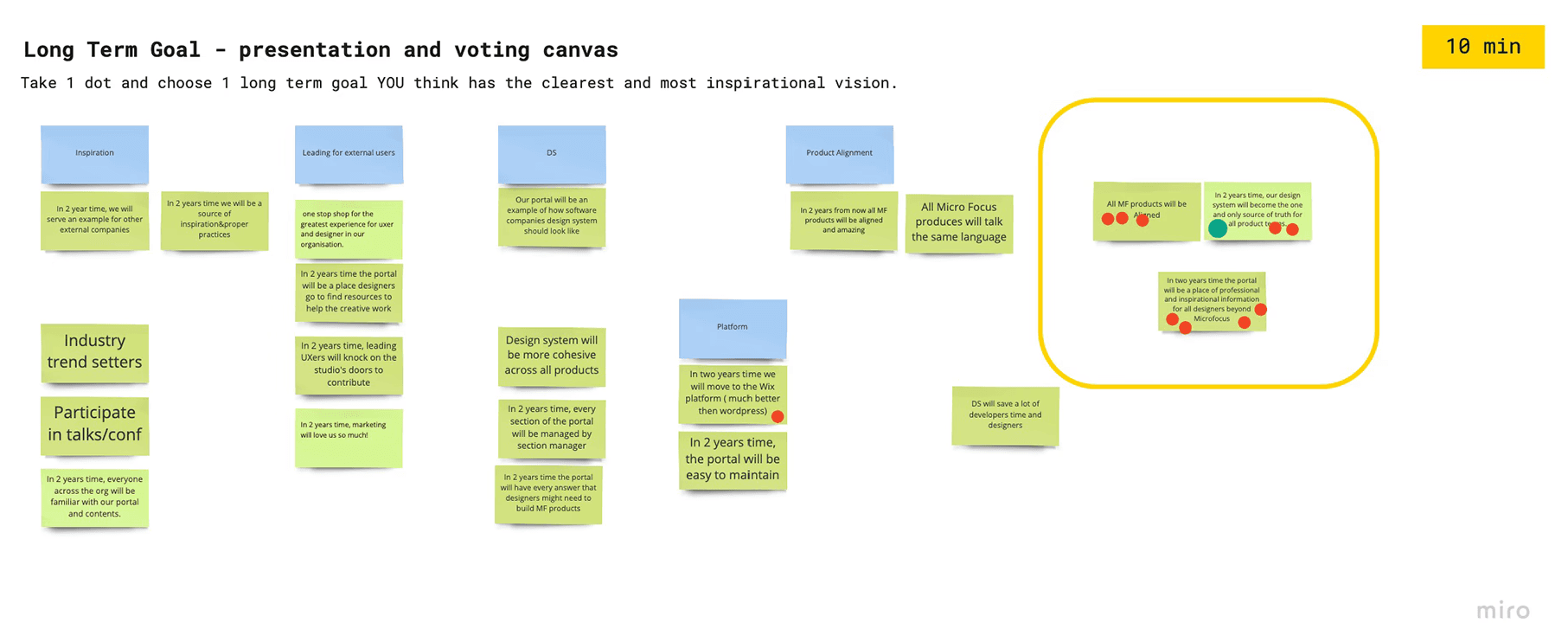
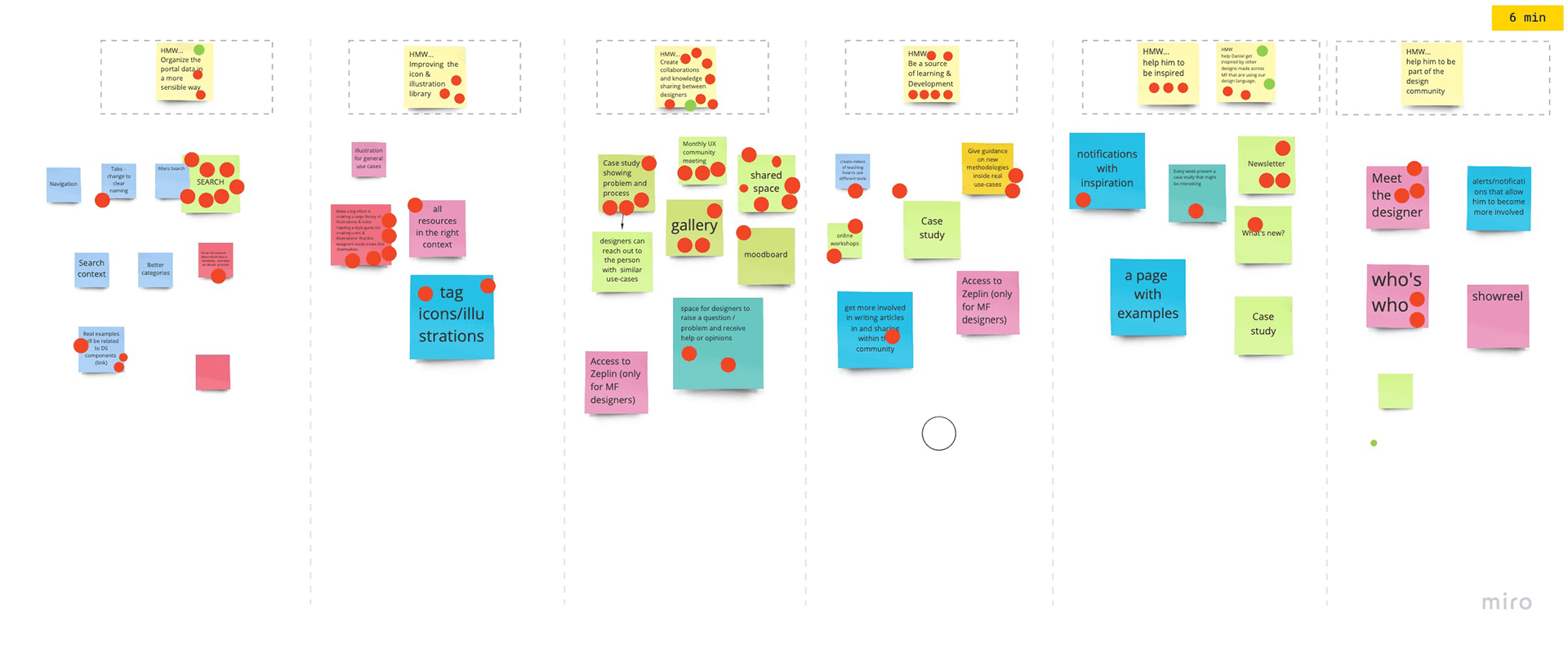
Solution
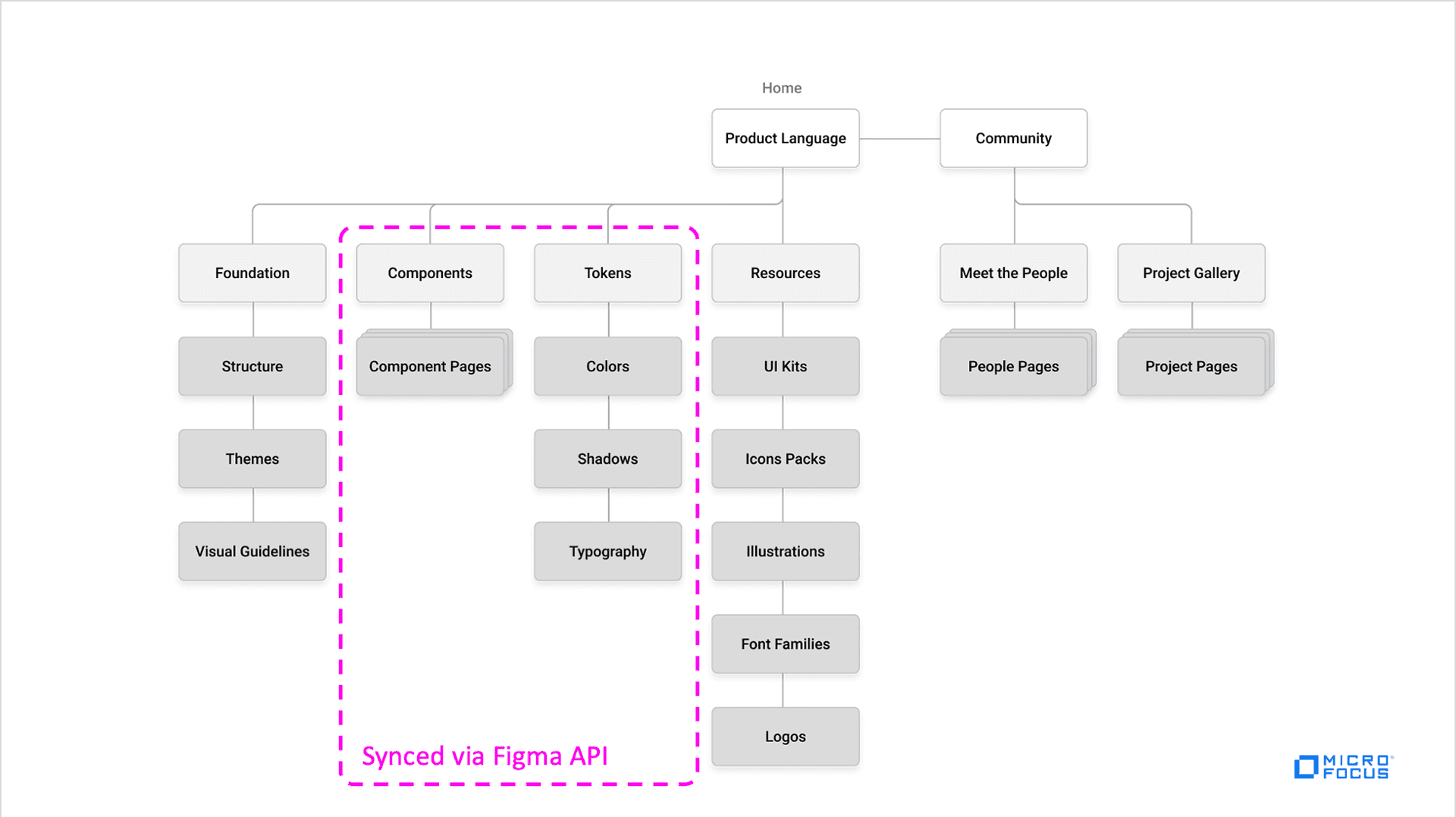
The decision that changed everything was integrating directly with Figma via API. Any update made in Figma was instantly reflected on the platform. No manual syncing, no version drift, no outdated specs. The platform became a genuine single source of truth, not just in name.
Information architecture with Figma API integration scope highlighted.
Design community spotlight
With designers scattered across geographies and time zones, there was no natural place for them to find each other, share work, or feel part of something larger. We built a dynamic directory where designers could connect based on shared skills and interests, a project gallery to showcase what teams were building, and a people page that put faces to the work. It humanized the system and made the global team feel like exactly that, a team.
The new everythingux.com, a quick demo
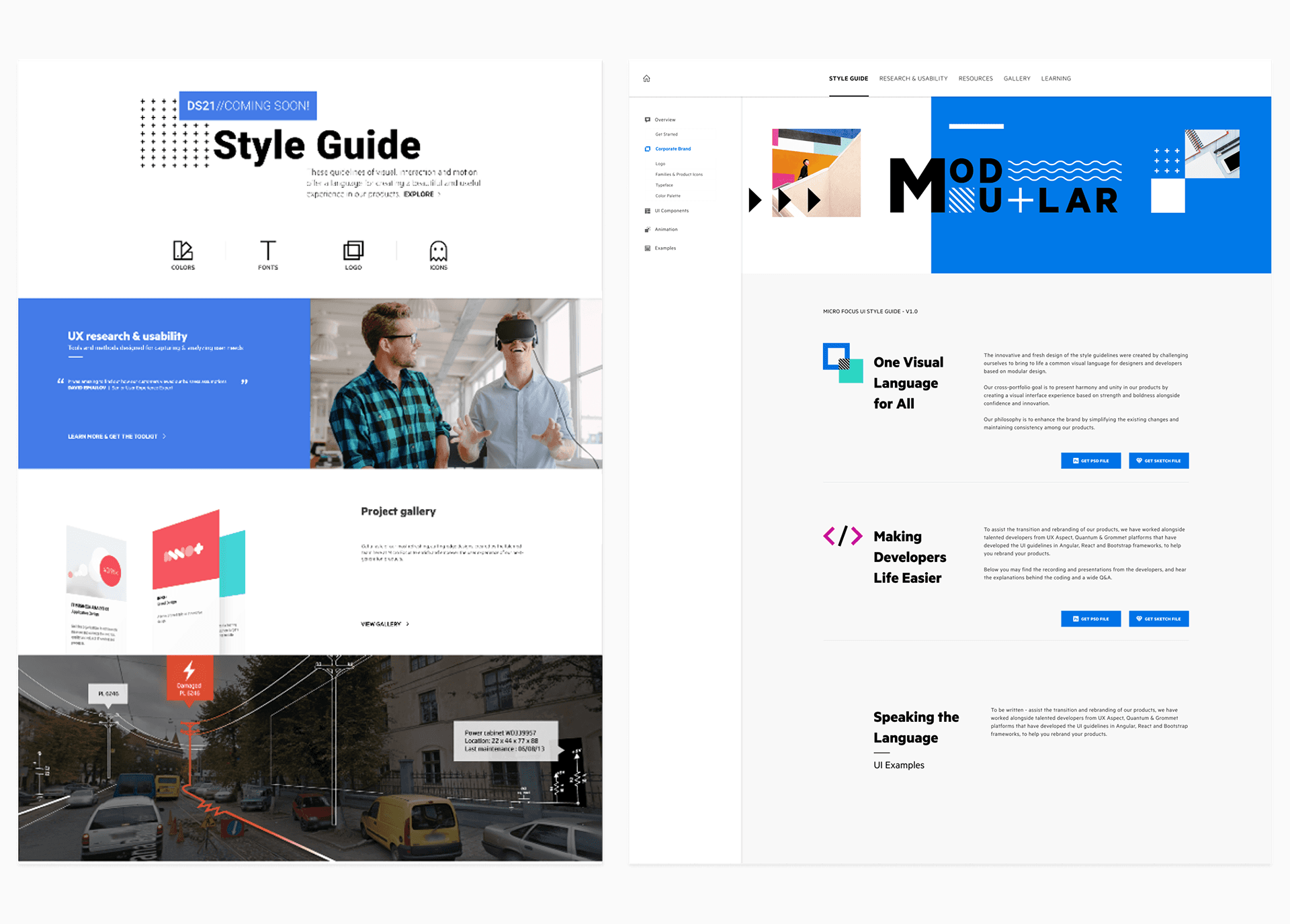
Before
Old platform main screens layout design
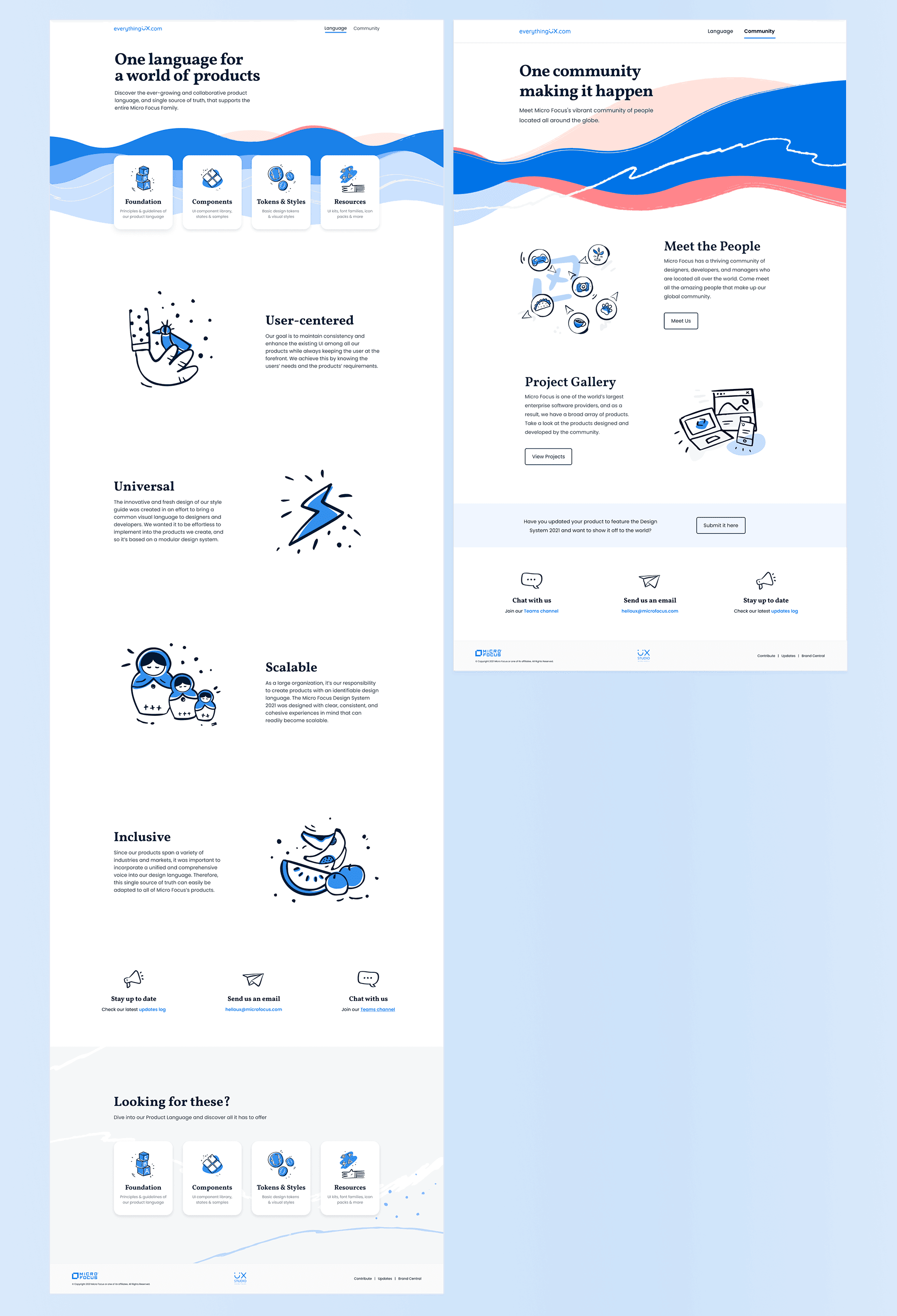
After
Revamped portal highlighting our design language and community, with focus on people and culture
Reflection & Legacy
Currents continues to serve as the design foundation across the product portfolio. The team actively tracks usage, optimizes libraries, and integrates new standards.
A design system built this way doesn't just serve today's teams. It becomes the thing everything else builds on.
Four years later, I brought those learnings into AppsFlyer, where I led a full redesign of their design system, adapting it to new technologies, evolving product needs, and the advanced Figma capabilities that had emerged in the years since. The belief stayed the same: a design system is never finished. It grows with the product.